Amaravati’s ₹58,000 Crore Reset: What’s Actually Being Built, Funded, and Sold to Investors?
Amaravati capital city development with infrastructure projects and investment updates.
News4Bharat 20 March 2026 at 04:34 PM
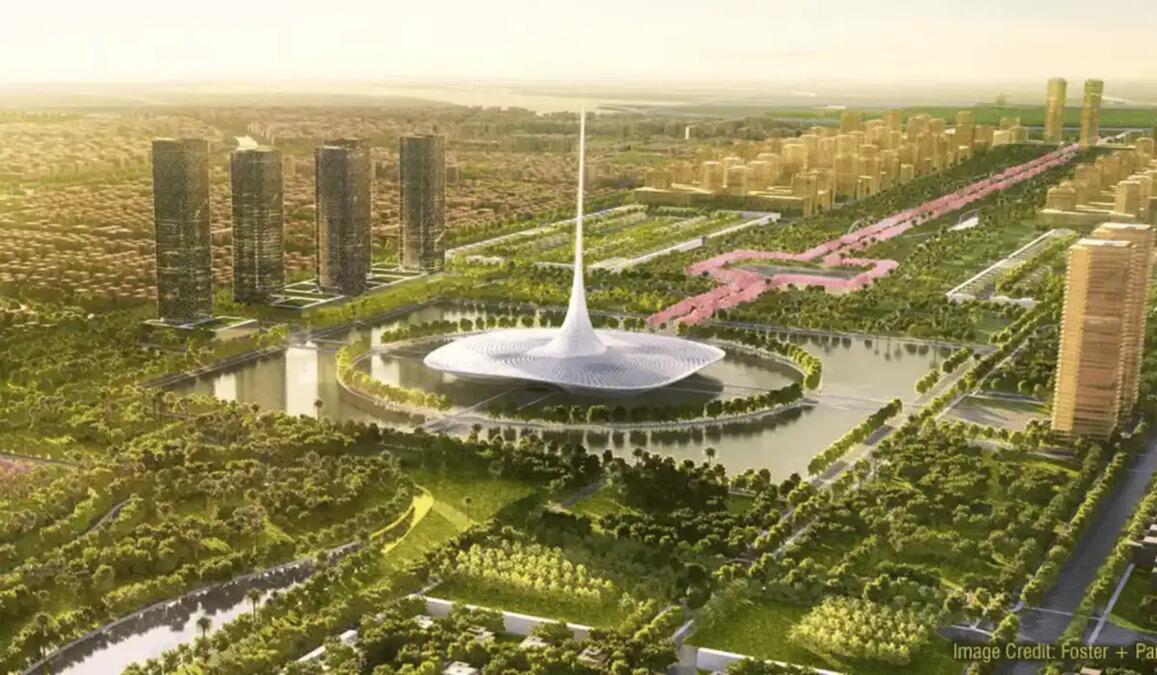
If you’ve heard “Amaravati is restarting” a dozen times, you’re not alone. The real story in 2025–26 is scale, sequencing, and money flow—because Amaravati’s development is now being framed as a mega infrastructure-and-investment rollout, not just a political headline.
A major turning point came when the Prime Minister laid the foundation stone and inaugurated/announced development works worth over ₹58,000 crore in Amaravati. That figure matters because it signals project packaging at a level that can attract lenders, EPC contractors, and long-horizon institutional investors—exactly what capital cities require.
On the budget side, independent budget analysis notes that Andhra Pradesh’s 2025–26 budget included an allocation of ₹6,000 crore for the Amaravati capital city. That’s not the entire funding universe (projects often combine state support, central support, loans, and PPP structures), but it is a measurable line item that indicates the state’s fiscal intent.
What’s new in the business pitch is the investment narrative. A recent industry interview with the APCRDA leadership reported that Amaravati attracted ₹28,075 crore in investments in 2025, along with MoUs worth ₹45,589 crore and a tender pipeline pegged around ₹58,000 crore. While MoUs are not the same as cash on the ground, they show the kind of investor targeting happening now—finance, real estate, institutional development, and large public works.
The political economy angle is also clear: the state’s 2026–27 budget coverage references Amaravati works worth ₹57,868 crore and frames Amaravati alongside clean energy and logistics as priority growth drivers. For readers, this means Amaravati is being positioned as a “jobs + construction + services” engine—where procurement, contracting, and supply chains can ripple into nearby districts.
What to watch next (the practical checklist):
- Tender awards vs announcements: which packages move from pipeline to signed contracts (track APCRDA notifications/tenders).
- Disbursement speed: allocations on paper vs expenditure on ground.
- Livability sequencing: roads, drainage, power, public transport, and government complexes—because “people moving in” is the real proof of a city’s restart.
Amaravati’s comeback story is no longer about whether projects will be announced. It’s about whether execution remains consistent across quarters—because capital cities aren’t built in speeches; they’re built in invoices.
Share this article
-B_oZyeHK.png)